Microneedling sounds a bit alarming at first. Tiny needles, on purpose, on your face? But once you understand what’s going on beneath the surface, it makes a lot of sense. It’s also why we ask you to prepare your skin before we ever pick up the device.
What microneedling does
Your skin is very good at repairing itself. Microneedling takes advantage of that.
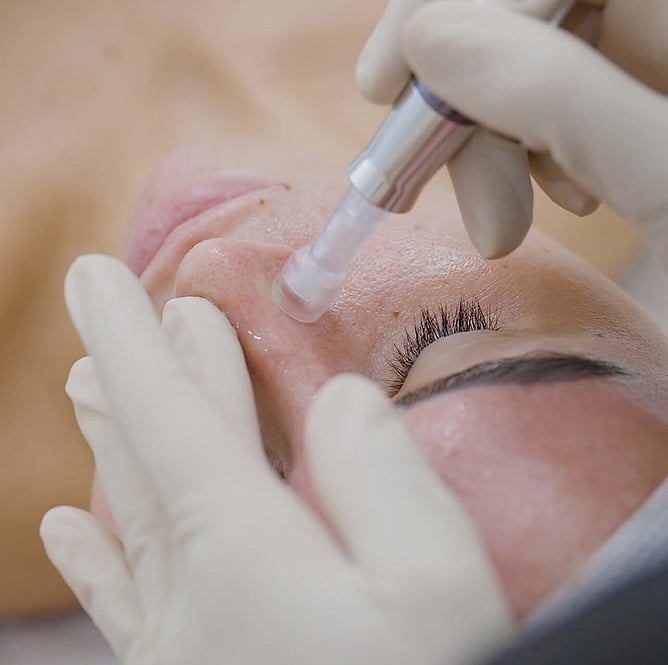
During treatment, a device creates thousands of tiny, controlled channels in the skin and your skin registers each one as something to fix. It responds by kicking its repair process into gear, which includes producing fresh collagen and elastin, the proteins that keep skin firm, smooth and springy.
That repair work doesn’t happen overnight. Collagen builds over the weeks after your treatment, which is why results keep improving long after the redness fades. Most people see the best results from a series of treatments spaced about four weeks apart.
Clients come to Indulge Skin and Wellness for microneedling when they want to soften the look of fine lines, refine texture and tone or improve the appearance of scarring.
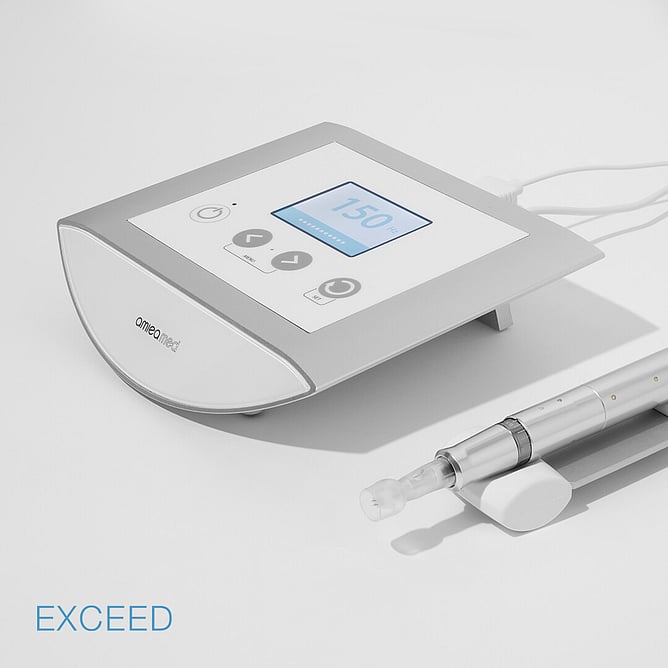
Why we use Exceed
Not all microneedling devices are equal, and the device makes a real difference to how your skin feels during and after treatment.
We use Exceed, which is engineered in Germany by MT.DERM, a company that’s been making precision needling devices for decades. Each treatment uses a fresh, sterile, single-use needle cartridge. The needles move straight in and out of the skin, which creates clean, even channels without dragging or tearing.
Exceed is cleared by the US FDA for reducing the appearance of facial wrinkles and acne scars, and that kind of clearance comes from clinical testing. It gives us confidence in what we’re putting on your skin.
Why your skin needs prepping first
This is the part people want to skip. Please don’t.
Microneedling only works as well as your skin can heal. The treatment starts the repair process, but your skin does the actual work. If your skin barrier is already stressed because it’s dehydrated, irritated, sunburnt or reacting to harsh products, it spends its energy putting out those fires instead of building new collagen.
Skin that arrives prepared tends to heal faster, with less redness and flaking, and gets a better result from every session. Skin that arrives compromised has a higher chance of irritation and pigmentation, and the results won’t be as strong.
Think of it like the Ben Lomond track. You could attempt it in jandals, but you’ll have a much better time in proper boots.
What microneedling prep looks like at Indulge
We’ll set you up with a home routine at least four weeks before your first treatment. A full cycle of skin renewal takes about that long, so four weeks gives your skin time to change rather than just cope. Your plan has three parts.
SPF, every single day
If you take one thing from this blog, make it this. SPF isn’t something you add for microneedling. It should already be part of your morning, every day of the year.
Queenstown makes it easy to underestimate the sun, but clouds let most UV straight through. Snow bounces it back up at you, so a day on the Remarkables gets you from above and below. Altitude also intensifies it. You can come home from a grey ski day with more sun damage than a summer afternoon by the lake.
UV matters for microneedling because it fires up the pigment cells in your skin. Freshly needled skin is busy repairing, and if those pigment cells are already stirred up, you’re more likely to end up with dark patches instead of the clear, even result you came in for.
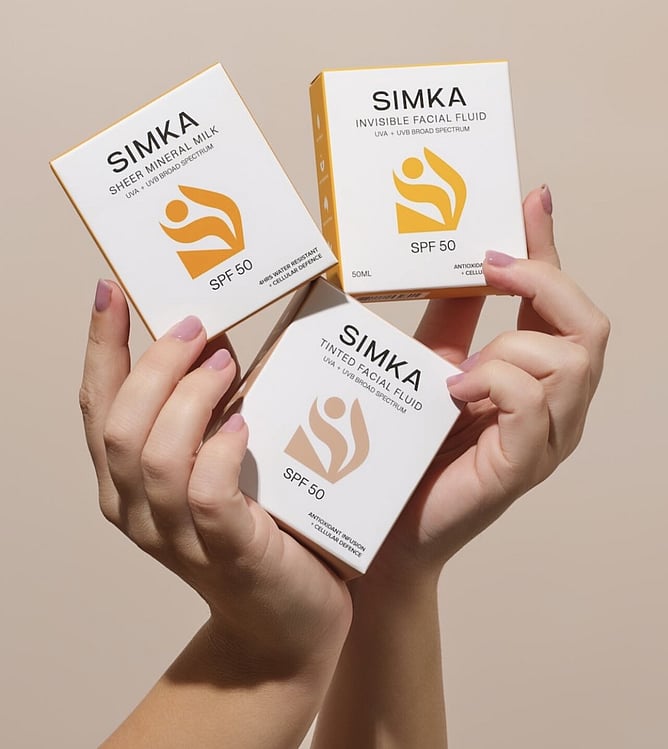
The best SPF is the one you’ll wear every day, so if you already love yours, keep going. Once your skin is ready for it after treatment, we recommend SIMKA Sheer Mineral Milk SPF 50. It uses zinc rather than chemical filters and skips fragrance, silicone and preservatives, which makes it gentle on skin that’s still healing. It also feels light, with no white cast, so you’ll wear it.
Vitamin A
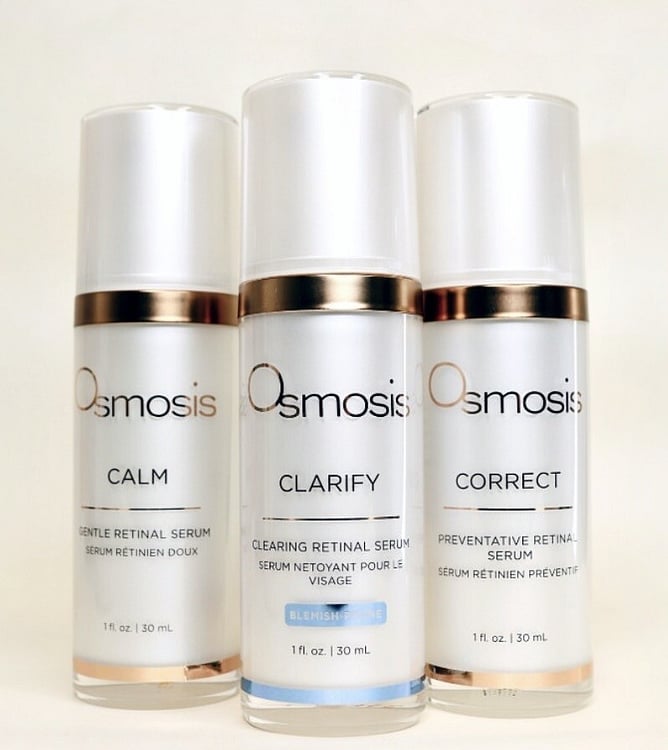
Vitamin A is one of the best-studied ingredients in skincare. It helps regulate how your skin cells grow and turn over. Skin that’s been on vitamin A for a few weeks is renewing at a healthy, steady pace, so when microneedling asks it to repair, it’s already in the right rhythm.
The key is easing in. Vitamin A can make skin dry and flaky at first if you go too hard too fast. We recommend building up slowly, so your skin arrives strong rather than irritated.
You’ll pause your vitamin A 5 days before your appointment and start it again once your skin has settled afterwards. We’ll tell you exactly when.
Omega-3s, from the inside
Your skin barrier is made partly of fats, and some of the most important ones, omega-3s, are fats your body can’t make for itself. They have to come from your diet or a supplement. When you’re low on them, skin tends to feel dry and tight and reacts more easily. That’s not the skin you want walking into a needling appointment.
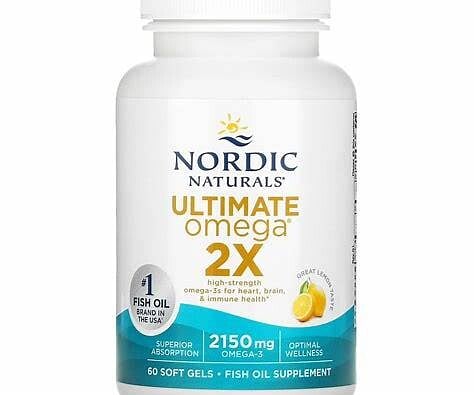
Topical products work on the surface. Omega-3s support your skin from inside, in the cell membranes where moisture is held. That’s why we recommend Nordic Naturals Ultimate Omega 2X alongside your skincare.
We like these because they’re concentrated, with 2150mg of omega-3s in a two-capsule serve. That means you’re taking a meaningful amount, not a token one. Daily matters, because omega-3s build up in your skin over weeks, not days. Start them at the same time as your vitamin A and keep going after treatment to support your skin while it heals.
On the day and after
Your skin will be pink and warm afterwards, a bit like mild sunburn, and that usually settles within 24 to 48 hours. We’ll send you home with aftercare instructions and products that support healing, so your skin can get on with the good stuff.
Ready to start?
Book a skin consultation and we’ll check whether microneedling is right for you, then build your prep plan from there.


